Is water management an issue in your local area?
General Info
Bodies of Water is a site-specific public art project by Anne Duk Hee Jordan, curated and produced by leading public art organisation UP Projects, which will unfold across two locations in England: A la Ronde in Exmouth, East Devon, and Haigh Hall in Wigan, Greater Manchester in 2025.
Bodies of Water is Jordan’s first UK public art commission, which sees the artist confronting the politics of water through an ecological lens. The project is a continuation of Jordan’s longstanding interest in environmental processes and ecosystems, having conducted many undersea diving excursions and scientific exchanges with marine biologists, toxicologists, ecologists, and geologists to inform their previous artworks.
Bodies of Water presents two unique public art installations that explore the politics of water, drawing from the history of each site, specialist knowledge from scientists, researchers and conservation specialists, and insights of communities in both locations.
Visitor Information
Travel related to art is a notable source of carbon dioxide emissions. To lessen our carbon footprint UP Projects encourages travelling by ecological means and avoiding flying and private car usage whenever possible. For travelling ecologically to visit A la Ronde and Haigh Hall, we recommend the following tips and routes:
Address: A la Ronde
Summer Lane
Exmouth EX8 5BD
Last admission to the House is 4.00PM
Getting here:
- ✦ Exmouth is well connected by rail (30 minutes from Exeter-St-Davids)
- ✦ The nearest bus stop is approx half a mile from the property. There is a regular bus service from Exeter and Exmouth. Timetables can be found on the Stagecoach website: stagecoachbus.com/plan-a-journey
Address: Haigh Hall
School Lane
Wigan WN2 1PE
(Access via Haigh Woodland Park)
Weekends ✦ 7.30AM - 6.00PM
Getting here:
Tip: The lowest emission route to visit Haigh Hall is to travel by public transport and shared cars or taxis:
- ✦ Wigan North Western is well connected by rail (50 minutes train from Liverpool Lime Street, Manchester Piccadilly and Birmingham New Street)
- ✦ Haigh Hall is a taxi ride from Wigan North Western station (18-20 minutes)
About the Artist
Anne Duk Hee Jordan was born in Korea in 1978 and lives and works in Berlin, Germany. With previous careers spanning freediving and occupational therapy, they pursued a BA at the Weissensee Kunsthochschule in Berlin in 2009, then completed their MA at Olafur Eliasson's Institute for Spatial Experiments in 2012. Transience, transformation, and ecology are central themes in their work. Their practice includes drawings, hand-built robots, edible landscapes, sculpture, public art, film and sound.
"I believe that the work of Anne Duk Hee Jordan serves as a lab for providing a balance to the total number of misfortunes that humans are able to cause. Not killing [the planet] depends entirely on us. If we stop being human to become a better species, there is hope." (Chus Martinez, The Law of the Total Number of Misfortunes: On Anne Duk Hee Jordan's Work, Anne Duk Hee Jordan: The End is Where We Start From, 2024, p.67)
Recent solo exhibitions, group shows and performances include (A)I Will Tell You, You Tell Me, ZKM Karlsruhe, Germany (2024); The End is Where We Start From, KunstHausWien, Vienna, Austria (2024); Snailing (Slippy Slimy Slug Slut), Canal Projects, New York, USA (2024); I will always weather with you, The Bass, Miami, USA (2023-2024); I must alter myself into a life-form which can exist on this planet, HEK, Basel, Switzerland; 1.5 Grad, Kunsthalle Mannheim, Mannheim, Germany; Soft and Weak like Water, Gwangju Biennale, Korea (2023); Brakfesten / La Grande Bouffe with Pauline Doutreluingne, Baltic Art Center and Public Art Agency Stockholm, Gotland, Sweden (2022); Sweden Artificial Biotopes: Lehmbruck, Kolbe, Mies van der Rohe and Anne Duk Hee Jordan, Georg Kolbe Museum, Berlin, Germany (2022); Sex Ecologies, Kunsthall Trondheim and The Seed Box, Trondheim, Norway (2021); Overview Effect, Museum of Contemporary Art, Belgrade, Serbia (2021); The Worm: Terrestrial, Fantastic and Wet, Urania, Berlin, Germany (2021); Making Kin 3.0, KIOSK, Ghent, Belgium, (2020); Ziggy goes Wild, Kunstverein Arnsberg, Arnsberg, Germany (2019).
Bodies of Water: Posthuman Feminist Phenomenology
Bodies of Water by Anne Duk Hee Jordan presents two site-specific sculptural works that will harvest, filter, and circulate rainwater, responding to the urgent environmental need, within the UK and internationally, to manage water more effectively. The title references the Canadian cultural historian, Astrida Neimanis’ , 2017 book, Bodies of Water: Posthuman Feminist Phenomenology, which focusses on the myriad relationships Posthuman Feminist Phenomonology, which focusses on the myriad relationships humans have with water, oceans, and aquatic life. Neimani considers the body as a vessel of water, acknowledging that water moves in cycles, passing through humans and other organisms, inviting readers to examine their own responsibility in the climate emergency.
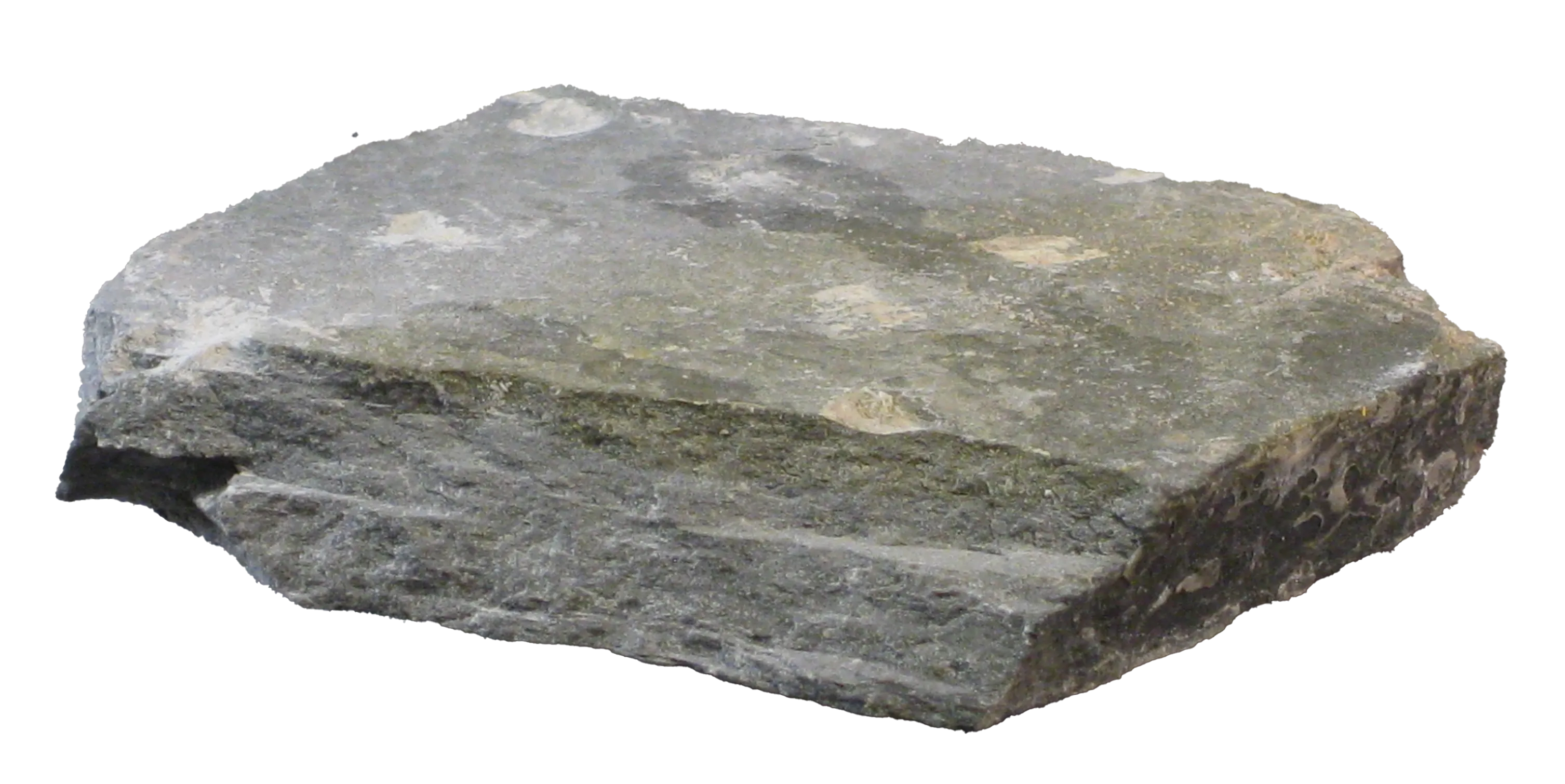
For A la Ronde, Jordan has created I travelled 66 million years to be with you and then you came, a site-specific sculpture comprising a collection of barnacles on a base of slate stones incised with fossils. Snail on me at Haigh Hall is an installation designed specifically for the historic house’s walled garden that raises awareness of the importance of Gastropods (snails and slugs) within our ecosystem. Both sculptures function as alternative water filtration systems and raise awareness of the cyclical nature of water in these locations.
Water management is a pressing local issue for Devon and the Southwest of the UK. In 2022, the Environment Agency declared the Southwest area to be in drought, which continues today, despite the area experiencing significant flooding. Issues relating to water quality in the estuary of the River Exe (adjacent to A la Ronde) are also igniting local community activism. Similarly, in the Northwest, RSPB and United Utilities are in partnership to improve water quality by drawing on biomimicry and rewilding. Despite its intent, the project has received some criticism from local campaigners for adversely contributing to water pollution and affecting livelihoods of tenant farmers.
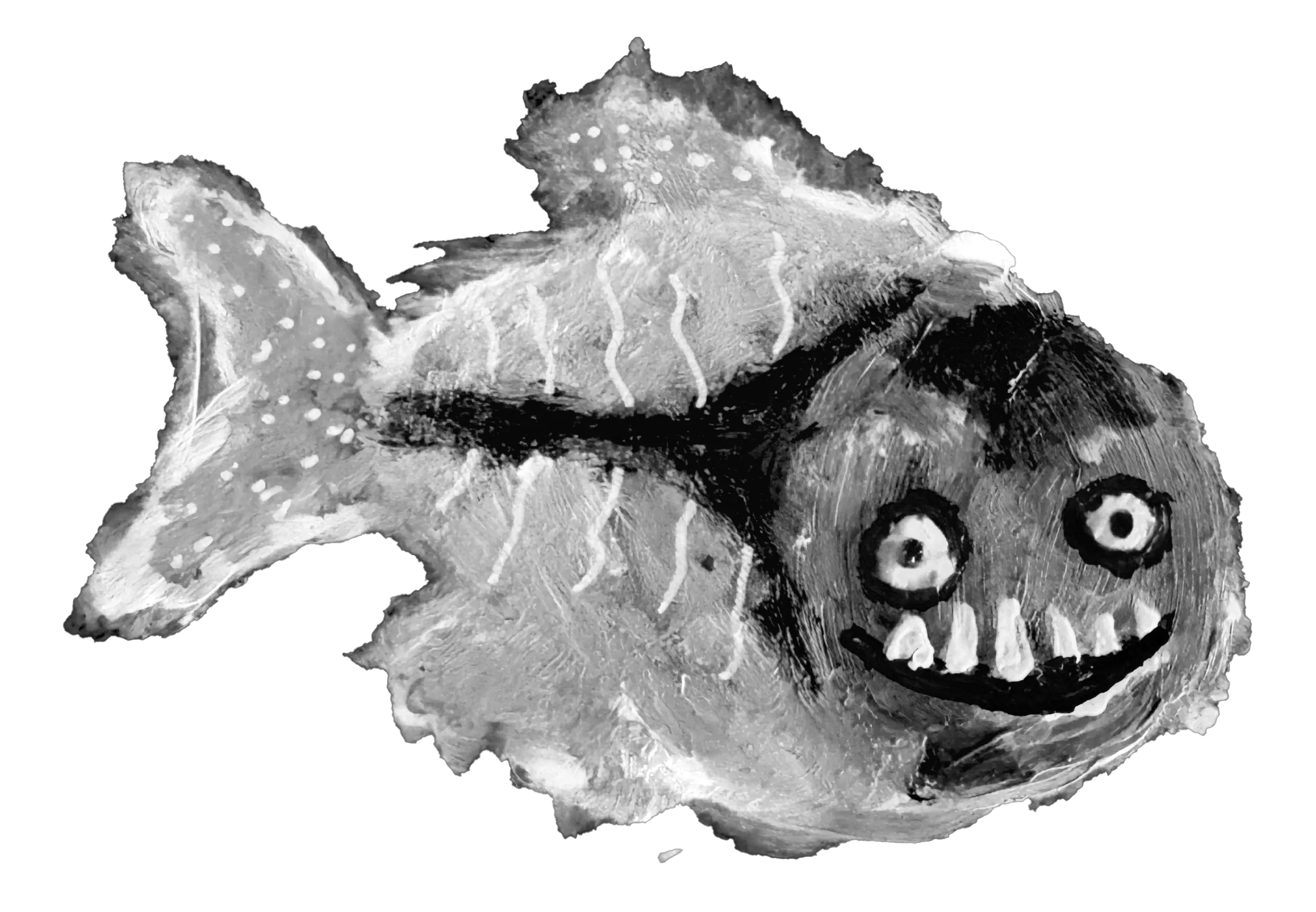
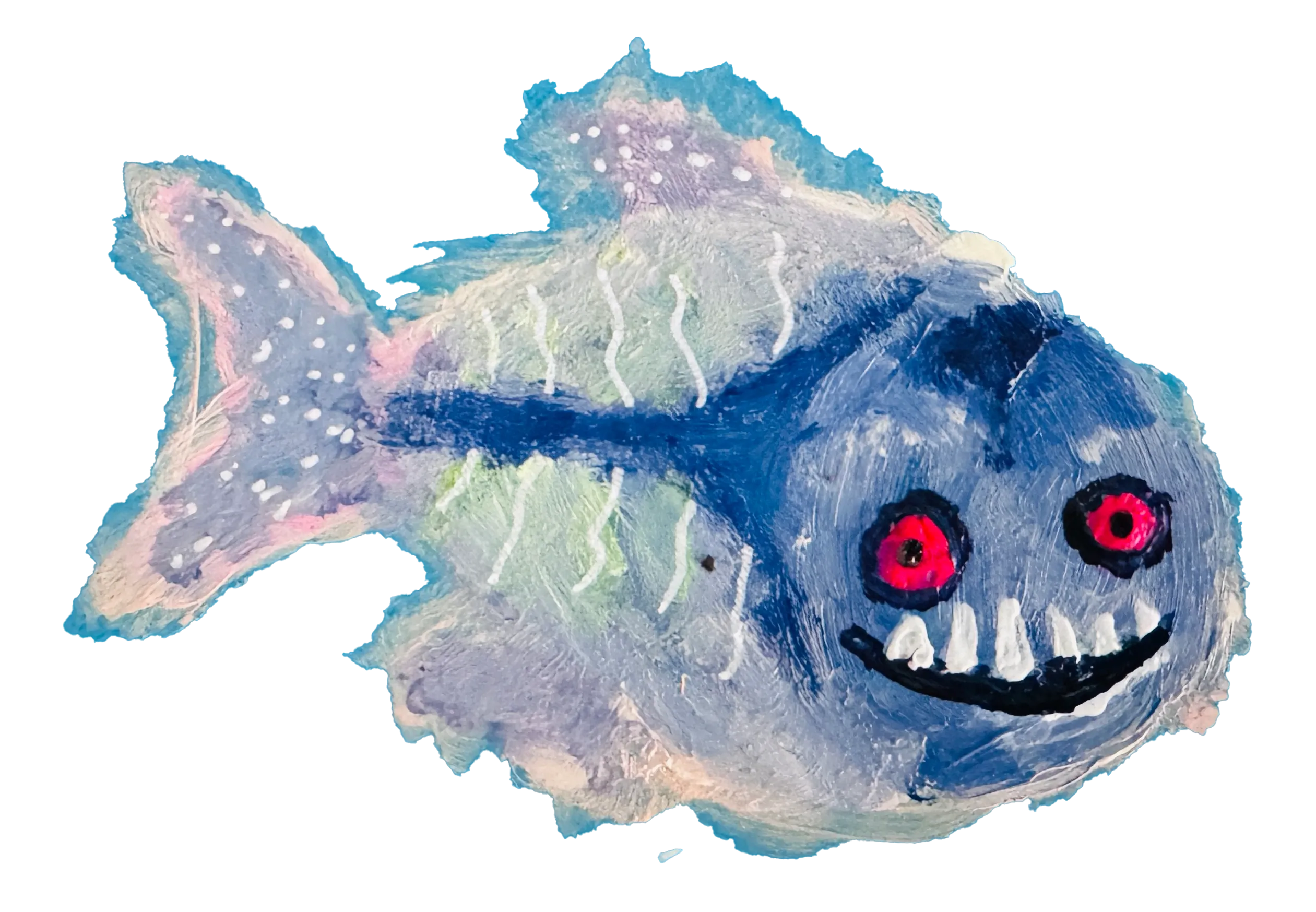
Jordan’s artworks also include imaginative characters and mythological creatures that demonstrate the playfulness of Jordan's approach while also revealing an earnest engagement with the reality of the politics of water.
"[Jordan’s work reveals] the importance of the unknown and unseen in nature, and of shifting the focus from humans to the ecology of our planet as a whole, which so urgently needs to be protected and preserved." (Gerlinde Riedl, Foreword, Anne Duk Hee Jordan: The End is Where We Start From, 2024, p.12)
I travelled 66 million years to be with you and then you came at A la Ronde
I travelled 66 million years to be with you and then you came
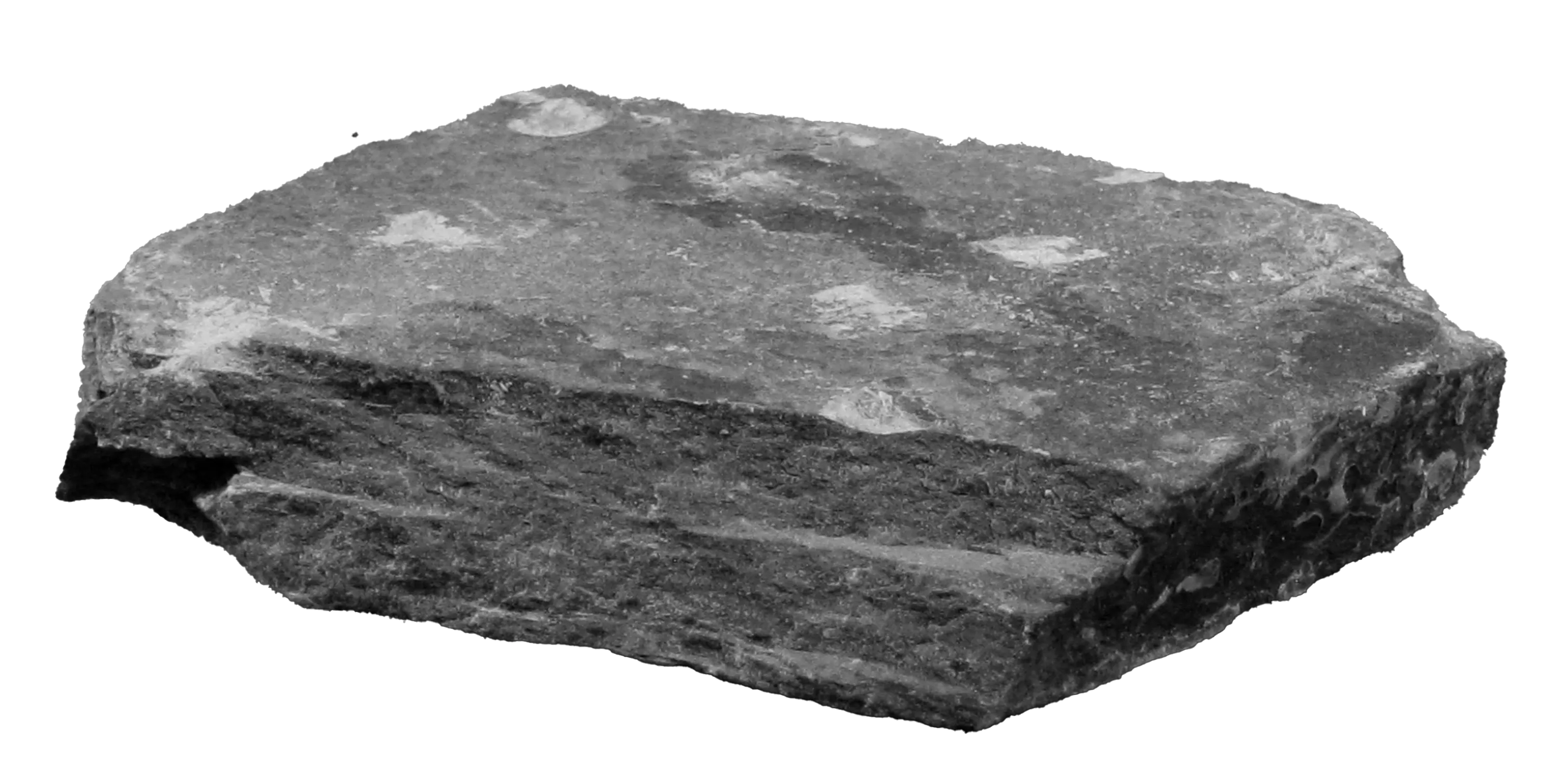
by Anne Duk Hee Jordan is a temporary sculpture, designed specifically for the meadow of National Trust property, A la Ronde, in Exmouth. The artwork evokes a cluster of large-scale barnacles on a base of locally sourced, slate boulders incised with fossils.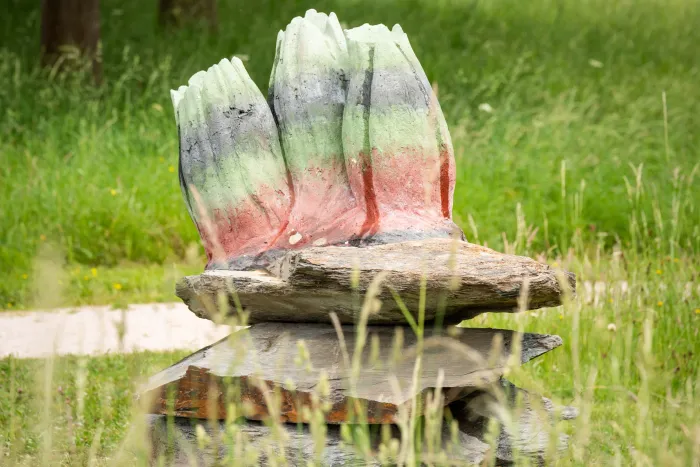
Credit: Simon Tutty
Barnacles often serve as bioindicators of water quality in coastal ecosystems and symbolise resilience and adaptability for their ability to cling steadfastly to sea surfaces despite the constant flow of waves. These barnacles have been fabricated by Bristol based Plenderleith Scantlebury, from roman concrete mixed with biochar (an organic version of activated charcoal often used for water filtration) created from plant cuttings from the gardens at A la Ronde. The biochar is made by Flete Field Lab, a locally based collective developing nature-based remedies for soil and water issues. In addition to the biochar, the concrete will be mixed with shells, the mineral zeolite, a composite of aluminium and silica molecules that serves as a water purifying agent, and iron oxide that can be used in wastewater treatment to remove heavy metals. The sculpture will symbolise the power of natural materials to filter and purify water as well as encourage birds and insects to use the water collected and filtered by the barnacle forms.
Situated on the seafront of the Jurassic Coast, A la Ronde has a unique history and architecture, built in 1796 by the second cousins Jane & Mary Parminter, who filled the home with mementoes collected on their Grand Tour. They decorated the house with hand-crafted elements of shells, feathers, and paper. The crushed shells in the concrete of the barnacles in Jordan’s sculpture respond to the house’s distinct design features including the Shell Gallery. The locally sourced fossils incised in the barnacles and slate stones make reference to the prehistoric Jurassic Coast. The origins of the fossils include Parkinsonia, a 158 million year old/inferior Oolite from Dorset; Belemnite cylindroteuthis which is 160 million years old/Oxford Clay from Peterborough, Cambridgeshire; Amoeboceras a 160 million years old/Ampthill clay from Bedfordshire; Arnioceras Ammonite a 195 million years old/ lower lias obtusum zone from Charmouth, Dorset; and additional ammonites from Somerset.
The alternative water filtration system of I travelled 66 million years to be with you and then you came draws on the Victorian history of the site. A central heating system was established in 1904 by Oswald Reichel that installed two underground brick tanks, which could hold 300,000 litres of rainwater. Today, the water storage tanks are used by the garden team for irrigation. These tanks have enabled the property to be fully independent of mains water since 2023.
Snail on me at Haigh Hall
Snail on me
is a site-specific installation in the walled garden at Haigh Hall, situated in the largest ancient woodland in Greater Manchester, that collects and filters rainwater. The woodlands, known locally as ‘The Plantations’, were planted to conceal the scars from generations of coal mining. Developed in dialogue with scientists and experts from University of Exeter, specialists at RSPB, Sylvia Travers, Head of Horticulture at Haigh Hall, and landscape architects at Plincke, Jordan’s installation will highlight the histories of the site and play a part in the critical role of water management in the walled garden, as well as provide vital wetland habitats for birds, insects and amphibians.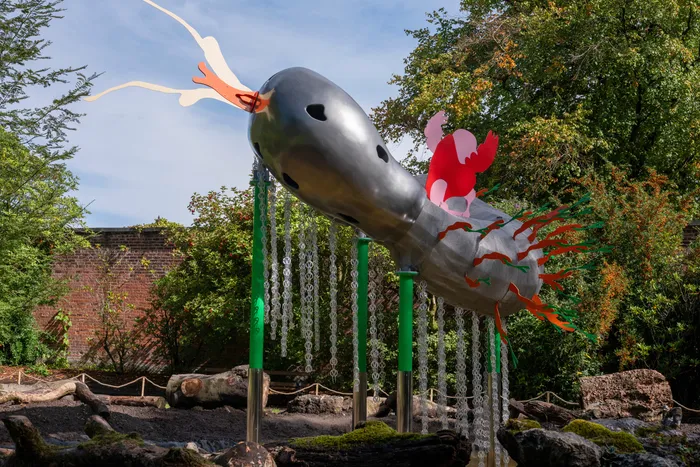
Credit: Mark McNulty
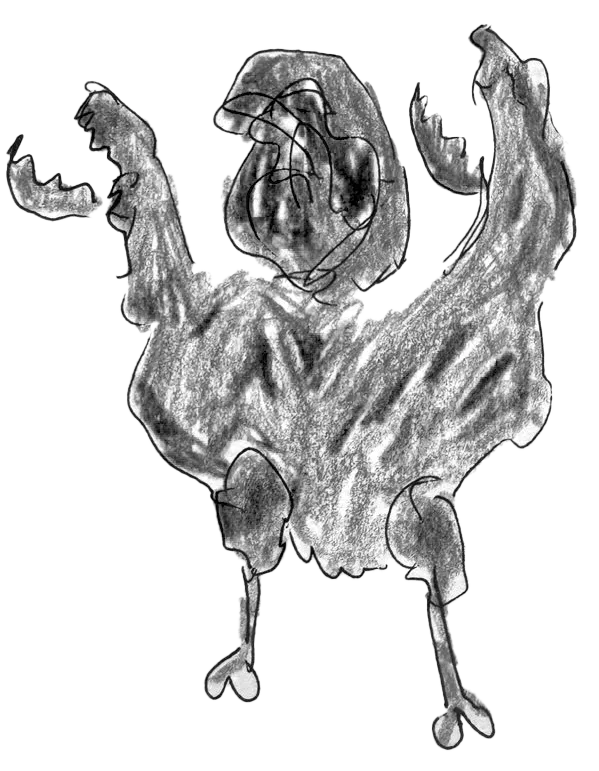
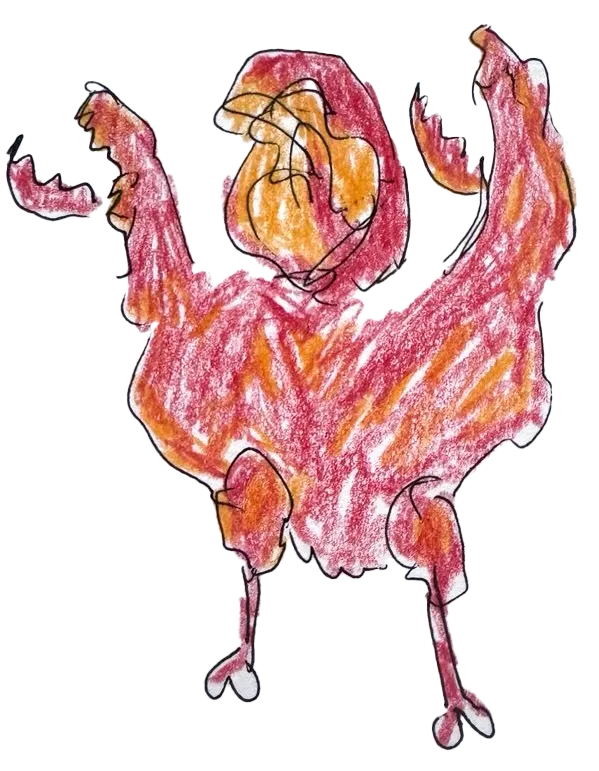
The sculpture comprises a structure fabricated in fiberglass, steel and steel mesh that evokes the form of a chimera (a mythological creature made up of multiple animal parts) of gastropods (slugs and snails) and mythological elements (snake tongues). Sitting astride the main creature is a fantastical “Popo Goddess”, composed of a chicken and a crab, who represents the goddess and protector of all bodies of water. The snake tongues refer to the mythology of Medusa, who Jordan reveres as another protector of women and the sea. Flowing down from the chimera into a newly created wildlife pond are multiple rain chains that will direct rainwater into the pond. The pond is surrounded by a natural “stumpery” and insect hotels in stoneware and clay by Anna FC Smith and the Community Ambassadors that will create habitats for insects and amphibians, such as newts and frogs.
The pond surround includes sensory planting that will tolerate moisture such as geranium, shuttlecock ferns, primula, ragged robin, meadowsweet, bottlebrush etc. This is to provide a rich surround of herbaceous planting and foliage for all year interest such as ferns. Shelving includes plants that are used to being submerged in shallow water such as arrowroot, rushes; this is to soften the edges into the water and frame the art piece. Submerged aquatic oxygenating plants such as Hornwort and starwort, and plants with floating leaves such as water buttercup, starwort and water lilies. These will help keep the water clear and will appear around the edges of the rain chains and go underneath these.
The hybrid invertebrate creature continues a line of enquiry explored by Jordan for many years, where they have researched the changing sexuality within marine invertebrates and gastropods through the artistic exploration of “sex ecologies” to highlight the exuberant sexual possibilities and survival strategies of the more-than-human world.
The steel mesh structure attracts water particles in the air akin to the process of fog harvesting (using a fine mesh to attract fog droplets, which then condense and drain into a body of water). The water particles are channeled down through the rain chains, and the collected rainwater in the new pond will flow through an underground pipe to an existing natural pond adjacent to the walled garden. The creation of the new pond will contribute to the newly established stormwater drainage and support flood management within the gardens at Haigh Hall. By introducing plant life in the pond and establishing habitats for insects and other wildlife, Snail on me also promotes biodiversity and strengthens the natural ecosystem of Haigh Woodland Park.
Community collaboration programme
To inform the development of Bodies of Water, a Community Collaboration Programme took place during 2024 at A la Ronde, Exmouth and Haigh Hall, Wigan. Wigan-based multimedia artist, Anna FC Smith led a series of co-created workshops at Haigh Hall, with a group of local community ambassadors, who represent local organisations or community groups. The group drew key insights and themes from Jordan’s developing artwork, and used the workshops as a space to collectively devise a series of public activities and events took place at Haigh Hall on the 13th September 2025. Insights from the community ambassadors gathered during the workshops were also incorporated into Jordan’s artwork designs and the visual identity of the project.
Devon-based outdoor education specialist and Forest School expert, Richard Irvine, led workshops for children and young people at A la Ronde, Exmouth. Pupils from Exeter Road Primary School took part, as well as local visitors, families and children from the Ukrainian Refugees East Devon. The workshops invited the young people to use natural materials from the site at A la Ronde to collectively build a large water filtration vessel, exploring where our water comes from, how we make it safe to drink and what its importance in our everyday lives is.
Environmental Sustainable Policy
UP Projects has developed an Environmental Sustainability Policy for Bodies of Water. As a public art commissioning organisation, we recognise the influential role public art can play in raising awareness of some of the most pressing issues of our time. With this project, we aim to raise awareness of the climate emergency and encourage audiences to feel empowered, capable and responsible for change. Bodies of Water also reinforces UP Projects’ commitment to develop more sustainable approaches to commissioning public art and to share learning with the sector.
UP Projects is committed to reducing the negative environmental impact of the activities related to Bodies of Water that are relevant to the Artwork, the Events and the online presence. We are committed to making decisions in accordance with our 8 Key Environmental Outcomes (KEO), which are available to read in the Environmental Sustainable Policy. We are working with suppliers, fabricators and collaborators whose environmental goals, processes and ethics align with UP Projects’. We have partnered with Julie’s Bicycle to set, monitor and deliver the project in accordance with our KEOs throughout the project. As an organisation, we are committed to learning and to continuous improvement around embedding efficient and effective sustainability practices and processes.